Most people don’t think about their mobile provider until something goes wrong. The bill jumps. The signal drops in the middle of a call. Customer service puts you on hold for the third time this month. And still, most of us stay put, because switching carriers sounds like a hassle: number transfers, new SIM cards, hidden fees, the whole thing.
Here’s the truth: switching mobile providers today is nowhere near as complicated as it used to be. No more waiting in line at a store, no more signing a two-year agreement to get a reasonable price. If you’ve been telling yourself “I’ll deal with it later,” it might be worth taking five minutes to check whether later has already arrived.
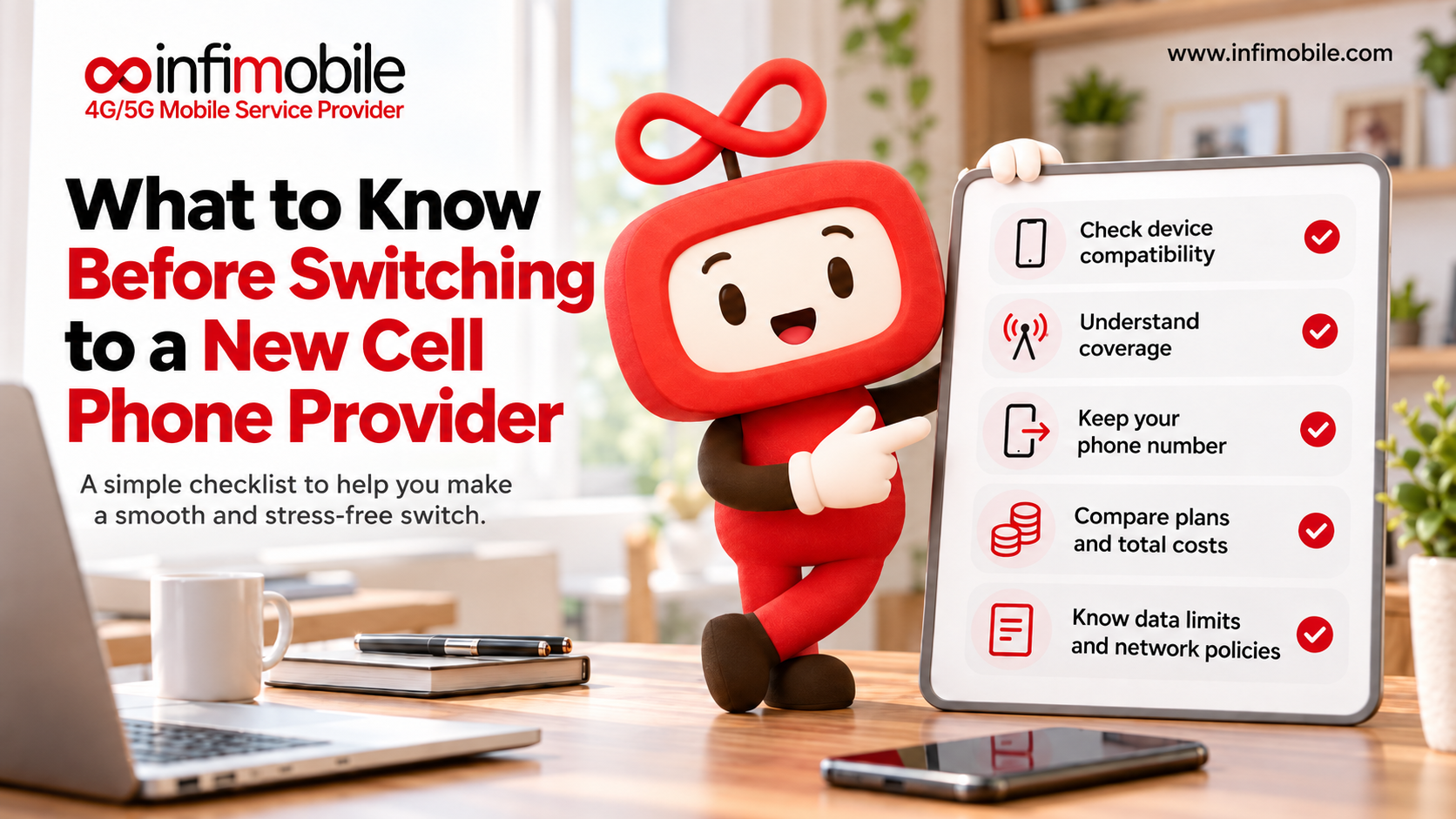
Below are five unmistakable signs it’s time to switch mobile providers, plus what to look for in whatever comes next.
It’s worth saying upfront: staying with the same provider isn’t automatically a bad thing. If your plan fits your usage, your coverage is solid, and your bill hasn’t budged in a way that bothers you, there’s no reason to go looking for problems. But for a lot of people, “staying” isn’t really a choice; it’s just what happens by default when switching feels like more effort than it’s worth. That’s the assumption worth testing.
1. Your Bill Keeps Climbing, And You Can’t Explain Why
You signed up at one price. A year later, you’re paying noticeably more, and nothing about how you use your phone has changed. Sound familiar?
This is one of the most common reasons people start shopping around. Traditional carriers build a lot of overhead into your monthly bill: retail store leases, national ad campaigns, promotional device subsidies that get quietly recouped through plan pricing. None of that overhead makes your calls clearer or your data faster; it’s just baked into the cost of doing business at that scale.
A rising bill with no added value is one of the clearest signals that your current plan isn’t built around your usage anymore. It’s built around covering someone else’s marketing budget.
What to check:
- Compare your bill from 12 months ago to your bill today.
- Look for line items like “regulatory recovery fees” or “administrative charges” that have quietly increased. 4
- Ask whether you’re still on a “current” plan or a legacy one that’s been phased out for new customers in favor of a lower-priced plan.
If your monthly cost keeps drifting upward while your data, minutes, and texts stay the same, that’s not loyalty being rewarded; that’s just inertia being monetized.
There’s also a quieter version of this problem: annual price creep, which is easy to miss because it happens in small increments. A few dollars here, a “network maintenance fee” there. None of it looks dramatic on a single bill, but stacked over two or three years, it can add up to a noticeably higher annual cost for the same service you started with. Pulling your last four or five bills and lining them up side by side is often the fastest way to see the pattern clearly.
2. You’re Paying for Data You’ll Never Use
Unlimited data sounds great in theory. In practice, most people use a fraction of what they’re paying for. If you’re mostly on Wi-Fi at home and at work, and your actual mobile data use hovers around a few gigabytes a month, an unlimited plan priced for a heavy streamer isn’t doing you any favors.
This is where flexible, tiered plans start to matter. Instead of one-size-fits-all pricing, the smarter approach is matching your plan to your real habits:
- Light users (messaging, maps, occasional browsing): a smaller monthly allotment, like 5GB, covers this comfortably.
- Everyday users (social media, music streaming, video calls): a mid-tier plan around 15GB usually hits the mark
- Heavier users (frequent streaming, hotspot use, larger households): a bigger tier or a true unlimited plan makes more sense.
Infimobile’s lineup is built around exactly this idea: annual plans across multiple data tiers, including 5GB and 15GB options, plus a genuinely unlimited annual plan for people who need more headroom. Paying once for the year, instead of watching a monthly bill creep upward, also means no surprises and no guessing what next month’s total will be.
If you’ve never actually checked how much data you use in an average month, that’s step one. There’s a good chance you’re paying premium prices for a supersized plan you don’t need.
Most phones make this easy to check: a quick look at your device’s data usage settings will show you exactly how many gigabytes you’ve burned through over the past several billing cycles. Do that before you shop for a new plan, not after. Otherwise, you’re just guessing at the right tier, and guessing tends to bias upward, toward paying for more “peace of mind” than you actually need.
3. Coverage or Speed Isn’t Cutting It Anymore
Dropped calls. Buffering videos. A signal bar that disappears the moment you step inside a building. If your provider’s network is letting you down in the places you actually spend time: home, work, your commute, that’s a legitimate reason to look elsewhere.
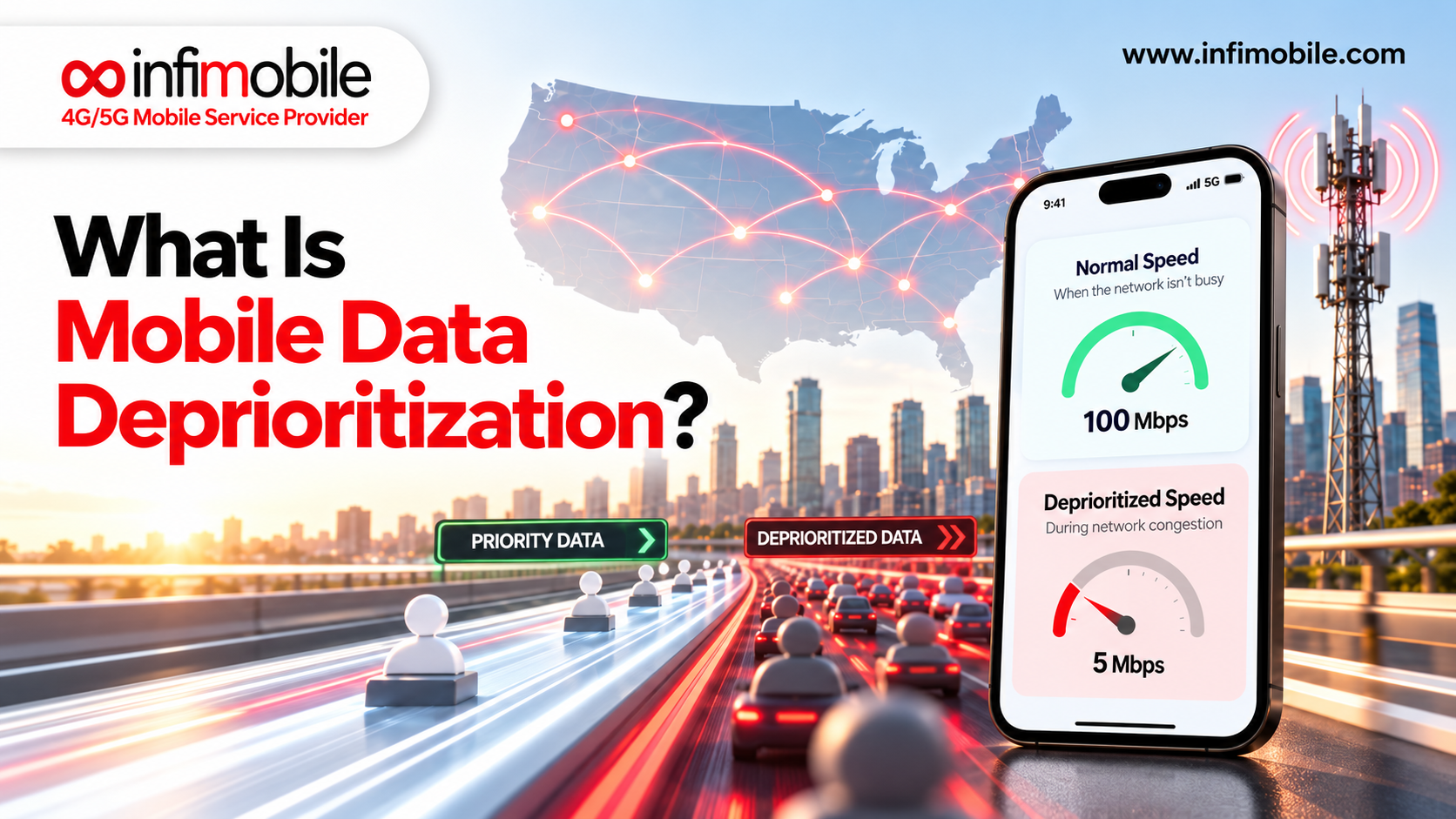
Here’s something a lot of people don’t realize: many newer mobile providers don’t build and maintain their own physical towers. Instead, they operate as MVNOs (mobile virtual network operators), which means they run on top of existing major nationwide networks. In practice, this means you can often get the same coverage footprint and 5G/4G LTE access as a traditional carrier, without paying for the traditional carrier’s overhead.
Infimobile takes this approach, giving customers access to nationwide 5G and 4G LTE coverage through established networks, so switching doesn’t mean gambling on a smaller, patchier signal. You’re not trading reliability for a better price; you’re just cutting out the markup.
Signs your network is genuinely the problem (not your device):
- Dropped calls happen consistently in the same locations.
- Data speeds crawl during normal hours, not just peak congestion times.
- Friends or family on different providers get better signal in the same spot.
If that’s the pattern you’re seeing, a provider switch even one that runs on similar underlying infrastructure can make a real difference, especially if it comes with better plan flexibility on top.
4. You’re Locked Into Contracts, Credit Checks, and Hidden Fees
Two-year contracts. Early termination fees. Credit checks just to get service turned on. Activation fees, upgrade fees, “convenience” fees for paying your bill a certain way. If any of this sounds like your current setup, it’s worth asking: what are you actually getting in exchange for that friction?
The mobile industry has shifted significantly toward no-contract, pay-as-you-go, and prepaid models, and for good reason. These structures put control back in the customer’s hands:
- No long-term commitment means no penalty for leaving when something better comes along.
- No credit check means faster activation and no hard inquiry on your credit report.
- Transparent, upfront annual or monthly pricing means no billing surprises.
Infimobile operates entirely within this model: no contracts, no credit checks, and no hidden fees layered on top of your plan price. You choose a plan, you pay for it, and that’s the arrangement full stop. For anyone who’s been burned by a surprise fee or felt stuck in an agreement they didn’t fully understand at signup, that kind of simplicity is the whole point of switching in the first place.
It’s also worth pointing out what a credit check requirement actually signals. Traditional carriers use it to assess risk on financed devices and long-term commitments, which makes sense for their model, but adds friction for customers who just want service without financing anything. A prepaid, pay-upfront structure removes that risk entirely, which is exactly why it doesn’t require checking your credit in the first place. You’re not asking to be trusted with a two-year bill; you’re paying for what you’re using, when you’re using it.
5. Customer Service Feels Like a Maze
Being on hold for 45 minutes to ask a simple billing question. Getting transferred three times and repeating your account details to each new person. Automated phone trees that never quite lead to a human. If getting help from your provider feels like a part-time job, that’s a real cost even if it doesn’t show up on your bill.
Digital-first providers have generally made this experience faster and less frustrating, simply because their support structure isn’t weighed down by decades of legacy call-center infrastructure. Managing your account online checking usage, changing plans, handling billing should take minutes, not an entire afternoon.
If every interaction with your current provider feels harder than it should, that friction is a legitimate reason to switch, separate from anything about price or coverage.
Think about the last time you actually needed support, not just to check your data usage, but to solve a real problem. Was it quick, or did it eat your afternoon? Customer service quality tends to be invisible when things are going well and impossible to ignore the moment something breaks. If you’re dreading the idea of ever having to call your provider, that dread is telling you something worth listening to.
How Long Does Switching Actually Take?
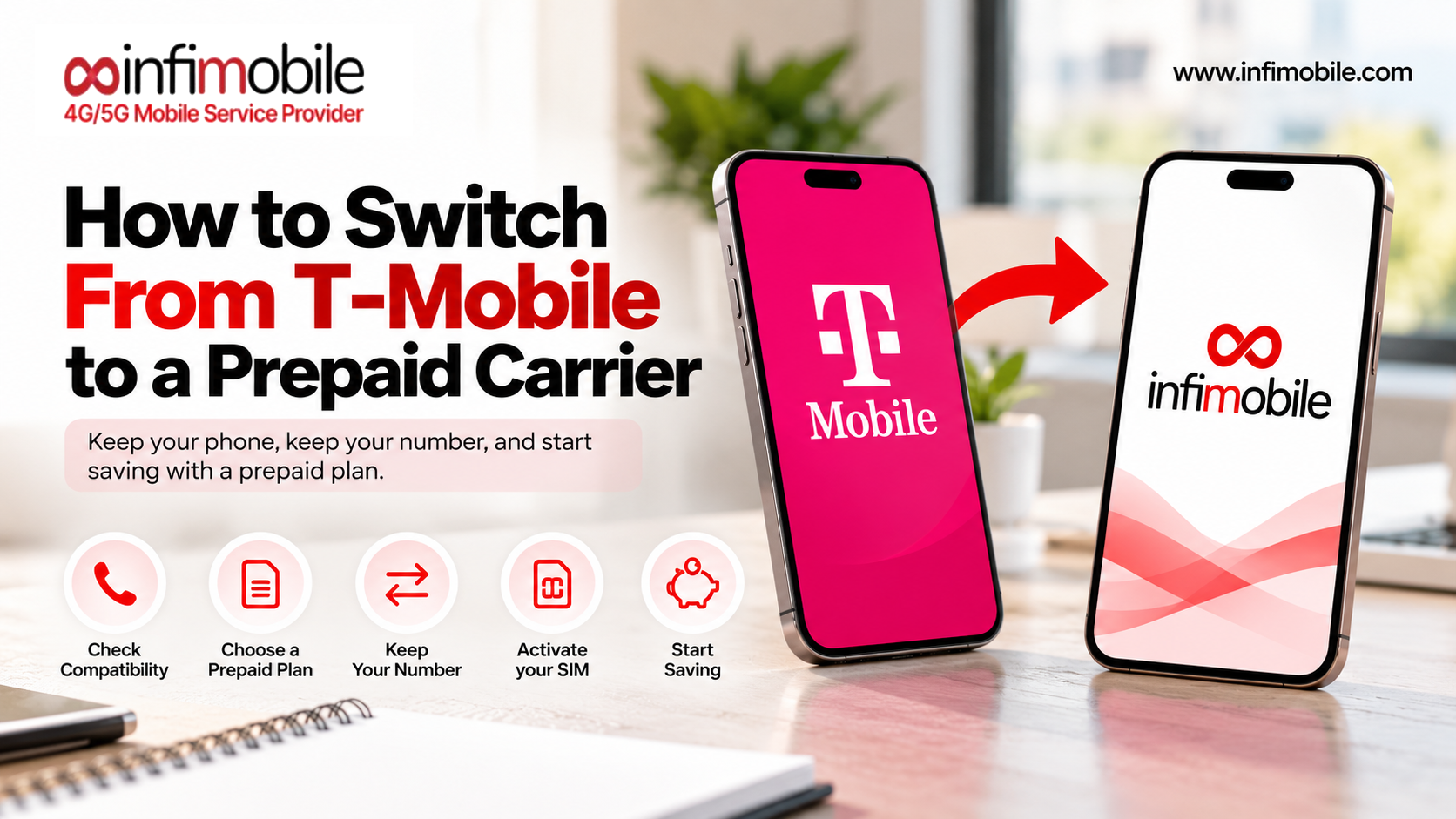
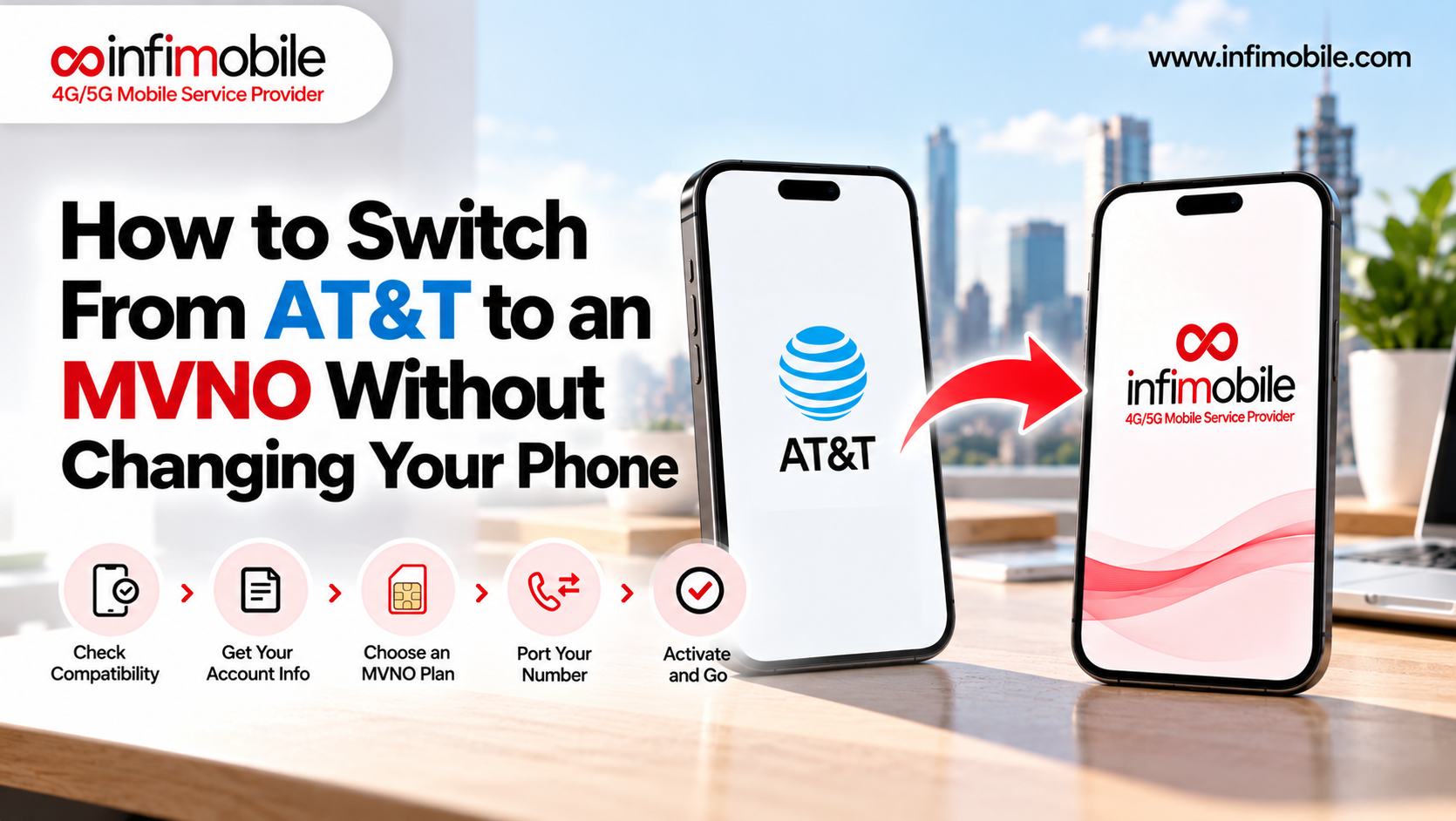
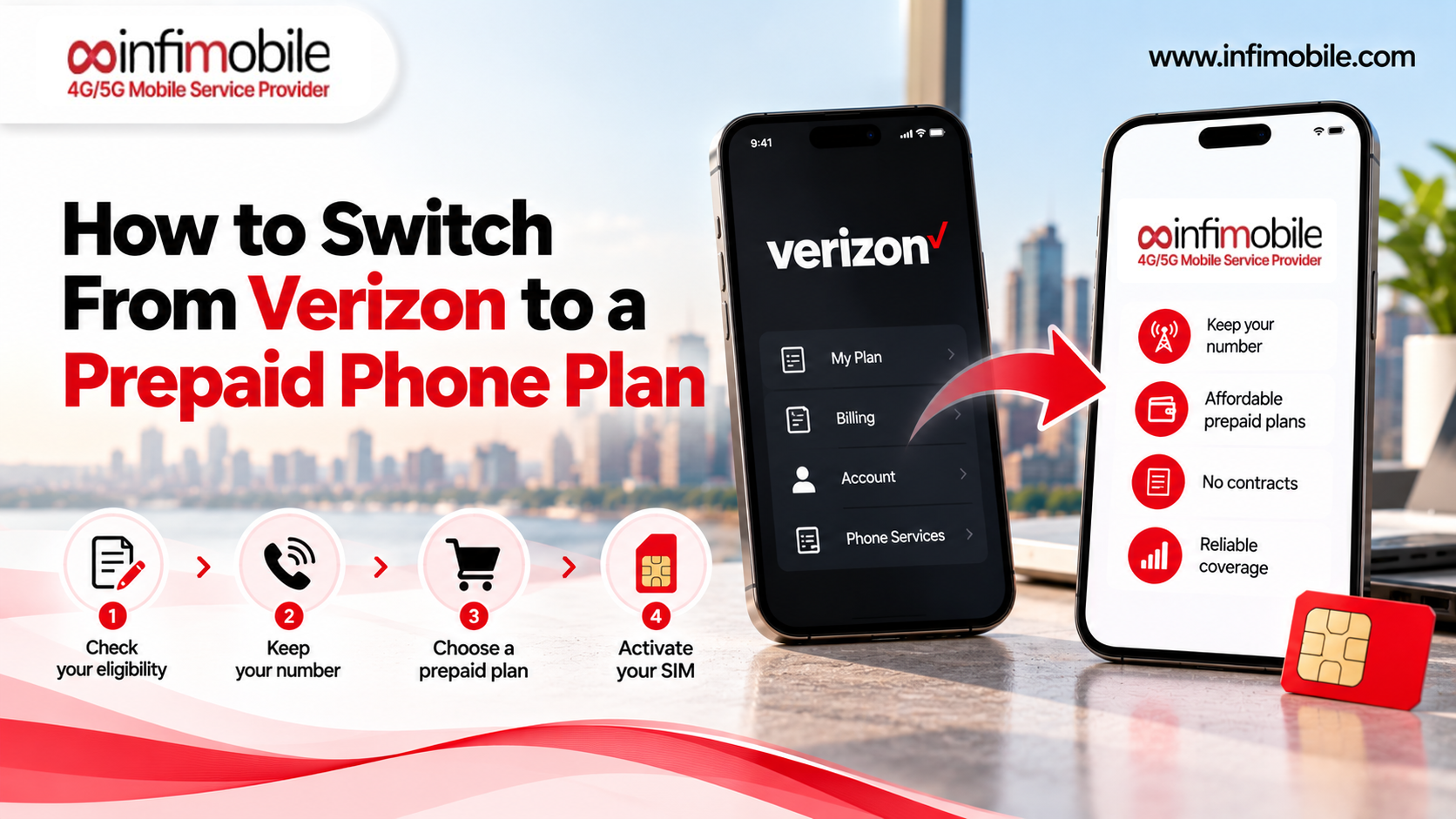
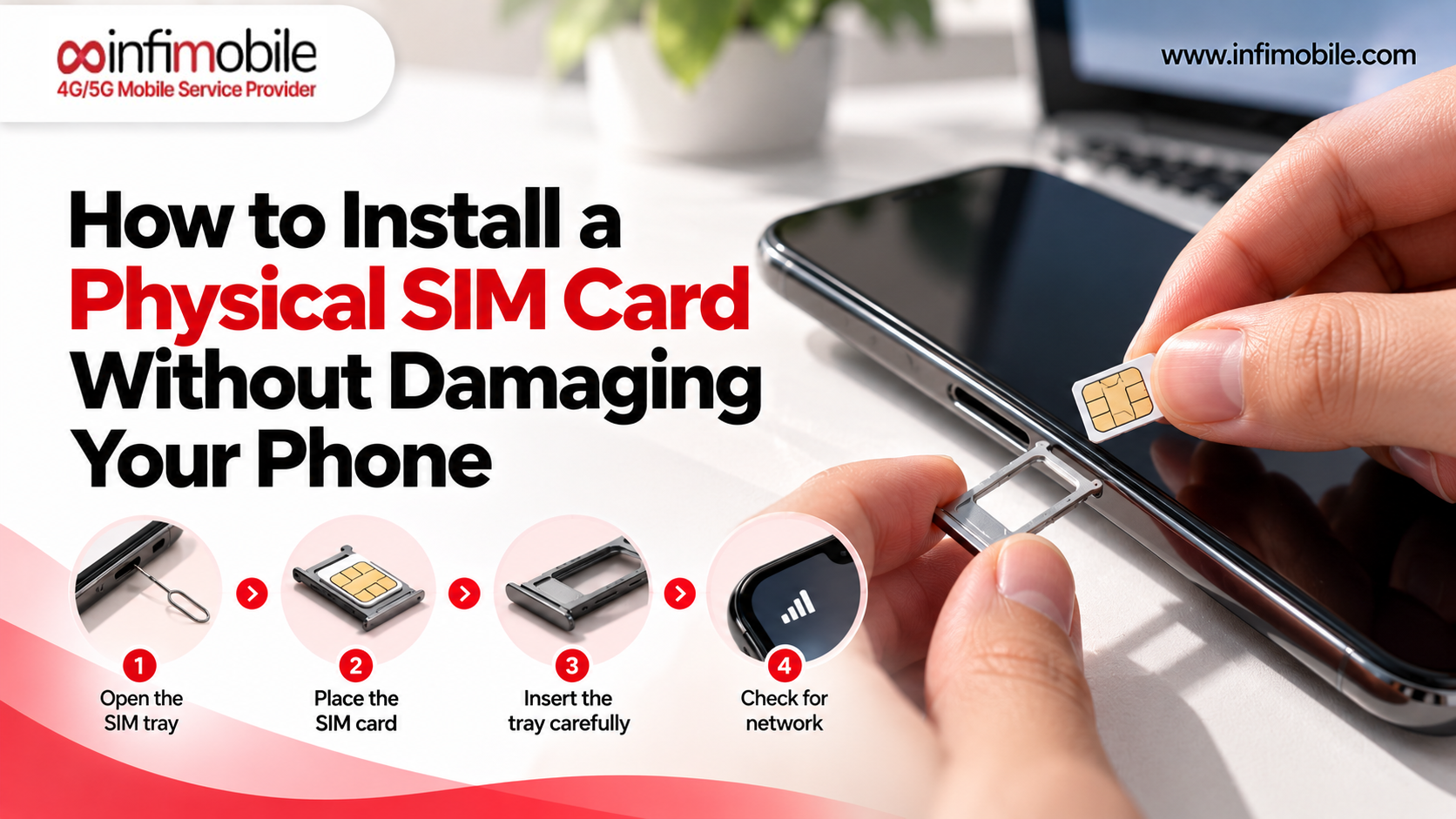
This is usually the question that stops people from switching in the first place, and it’s worth answering directly. With a digital-first prepaid provider, the process typically comes down to three steps: pick a plan, activate online with an eSIM or a mailed SIM card, and port your existing number over. There’s no store visit required, no waiting on hold to “authorize” a transfer, and no gap in service if it’s done correctly. For most people, the entire process takes less time than the average call to customer support about a billing question, which, if you’re switching for reason five above, might be the most fitting detail of all.
What Switching Actually Looks Like
Here’s a quick side-by-side of what typically prompts a switch versus what a more flexible, prepaid approach solves for:
| Rising bill, same usage | Legacy plan pricing, added fees | Transparent, locked-in annual pricing |
| Paying for unused data | Mismatched plan tier | Flexible tiers (5GB, 15GB, unlimited) matched to actual usage |
| Weak signal or slow data | Coverage gaps or network congestion | Nationwide 5G/4G LTE access via major networks |
| Contracts and credit checks | Legacy carrier onboarding | No-contract, no-credit-check activation |
| Long hold times | Legacy call-center support | Self-service digital account management |
Why Infimobile Makes Switching Easy
Switching mobile providers used to mean store visits, paperwork, and waiting around for activation. That’s no longer how it has to work. Infimobile was built as a digital-first, prepaid MVNO specifically to remove the friction that keeps people stuck with a provider that isn’t serving them well anymore.
That means:
- Annual plans across multiple data tiers from lighter 5GB and 15GB options up to a genuinely unlimited plan, so you’re paying for what you’ll actually use
- Nationwide 5G and 4G LTE coverage, without the overhead costs baked into traditional carrier pricing
- No contracts, no credit checks, and no fine print designed to trap you into staying
- Simple online activation, whether you’re bringing your own device or starting fresh with a new SIM or eSIM
- Straightforward, transparent pricing: you know the annual cost upfront, with no surprise line items showing up six months in
If two or more of the signs above sounded familiar, it’s a good indication that your current plan is costing you more in money, time, or both than it should be. Switching doesn’t have to mean a leap of faith. It can simply mean choosing a provider that’s built its entire model around giving you more control over what you pay for.
Frequently Asked Questions
Start by adding up what you’re currently paying per year, then compare that to your actual usage data, minutes, and texts. If you’re consistently paying for more than you use, or your bill has crept up without any added benefit, switching is very likely worth it. Even modest annual savings add up quickly with no ongoing contract to worry about.
No. Number porting is standard across the industry, including with Infimobile. You keep your existing number; only the provider behind it changes. The process is handled during activation and typically completes within a short window, without any interruption you’d need to plan around.
Not necessarily. Most unlocked phones are compatible with Infimobile’s network, and you can check device compatibility before switching. Bringing your own device is one of the easiest ways to lower your total cost, since you’re not paying for a new phone as part of the plan.
Not when the provider runs on the same underlying nationwide networks, which is exactly how MVNOs like Infimobile operate. You get comparable 5G and 4G LTE coverage; the difference is in billing structure and overhead, not network quality. The “prepaid” label refers to how you pay, not the strength of your signal.
This is exactly why flexible tiers matter. If you signed up for a lighter data plan and find you need more, you can typically move up to a higher tier for your next renewal period. Because there’s no long-term contract locking you in, adjusting your plan to match your actual habits is simple, not a negotiation.