Cheap phone plans for seniors generally come down to matching a low, predictable monthly cost with a data allowance that fits actual usage, since many seniors use their phones mainly for calls, texts, and light browsing rather than heavy streaming or gaming. Prepaid MVNO plans are often the most affordable route, since they skip device financing and long-term contracts while still offering reliable nationwide coverage through major networks like Verizon or T-Mobile.
This guide walks through what to look for in a senior phone plan, how much data most seniors actually need, and how to compare prepaid options without getting locked into features you’ll never use.
What Seniors Should Look For in a Phone Plan
Not every phone plan is designed with the same priorities in mind. When comparing plans for an older adult, or for yourself if you’re shopping for your own plan, a few factors matter more than flashy data allowances:
- Predictable, low monthly cost without hidden fees or surprise overage charges
- No long-term contract requirements, so you’re not locked into a plan that no longer fits.
- Reliable nationwide coverage, especially for emergency calls and texts
- A data allowance that matches actual usage, rather than an oversized plan built for streaming
- Straightforward account management, without confusing bundles or add-ons
Reliability and simplicity tend to matter more than having the largest possible data allowance, since most cost overruns for seniors come from paying for unused data rather than running out of it.
How Much Data Do Seniors Typically Need?
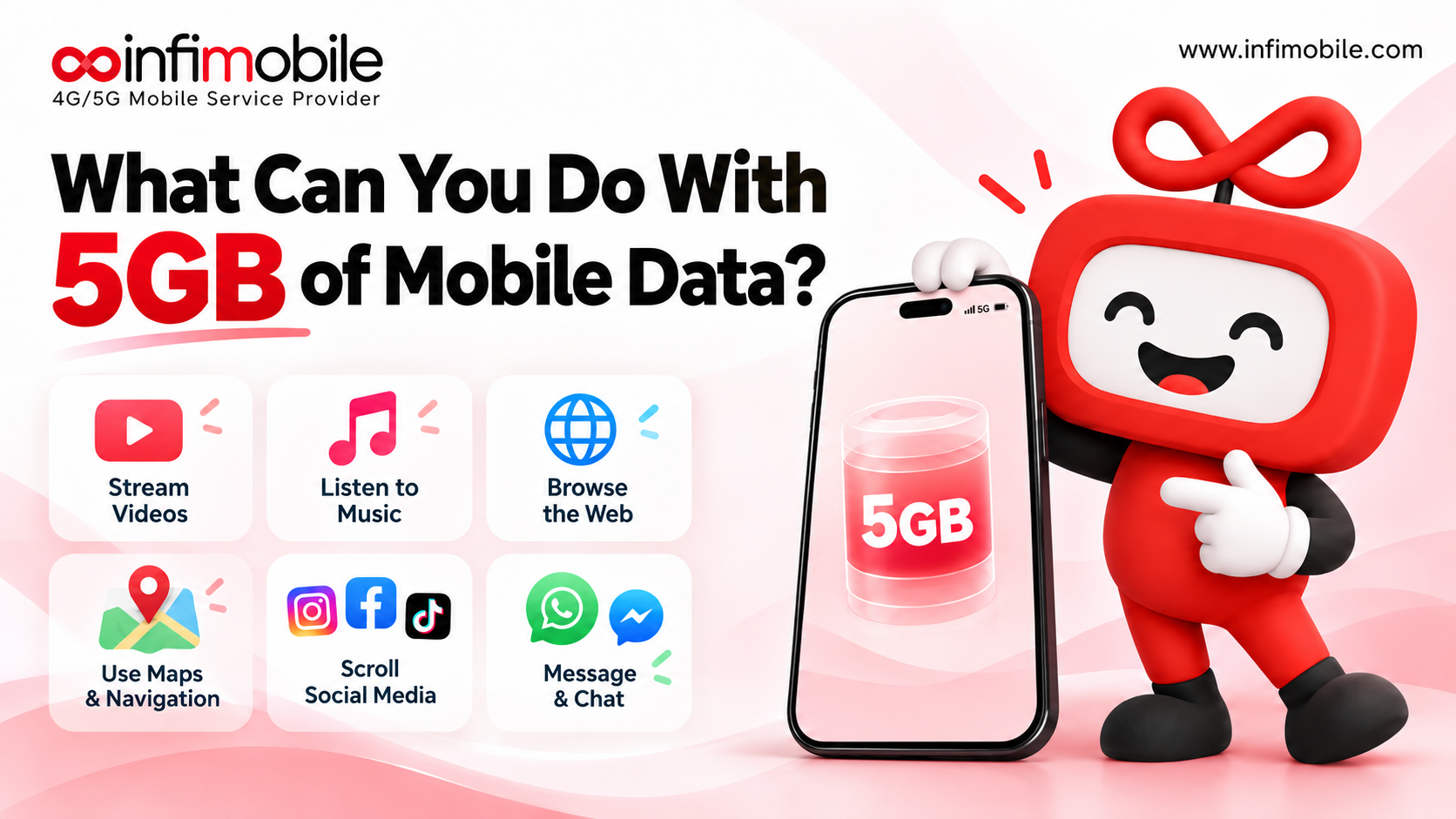
Data needs vary from person to person, but many seniors fall into the light-to-moderate data user category, meaning usage under 5GB to 10GB per month. Common usage patterns include:
- Phone calls and text messages, which use very little cellular data since calls typically route over the voice network
- Checking email and browsing occasionally
- Using navigation apps for driving directions
- Video calling with family, which uses more data than a phone call but is usually infrequent
- Light social media use, such as checking updates from family members
For someone who mostly uses their phone for calls, texts, and occasional browsing, a 500MB to 5GB plan is often plenty. Seniors who video call frequently, stream music or podcasts throughout the day, or use their phone as their main internet source may want to consider a 10GB or larger plan instead.
Prepaid vs. Postpaid: Which Is Better for Seniors?
Prepaid plans tend to make more sense for seniors on a fixed income for a few clear reasons:
- Predictable costs. Prepaid plans are paid upfront for a set term, so there’s no risk of a surprise bill from data overages or added fees.
- No credit check required. Prepaid billing doesn’t require a credit check, which can simplify the sign-up process.
- No device financing obligations. Prepaid plans typically require bringing your own phone, which avoids the multi-year financing agreements that come with many postpaid plans.
- Flexibility to change plans. Without a long-term contract, it’s easier to switch to a different data tier if usage changes over time.
The trade-off with many prepaid MVNOs is that customer support is typically handled through chat or an app rather than in-store visits or phone-based support, which is worth considering for anyone who prefers speaking with someone directly when they need help.
Common Concerns Seniors Have About Switching Plans
Switching phone plans can feel like a hassle, and a few concerns come up often:
- “Will I lose my phone number?” In most cases, no. Numbers can typically be transferred (ported) to a new carrier during sign-up.
- “Is the coverage as good as my current carrier?” Many MVNOs use the same towers as the major carriers, so coverage in a given area is often similar, though MVNO traffic can be deprioritized during busy periods.
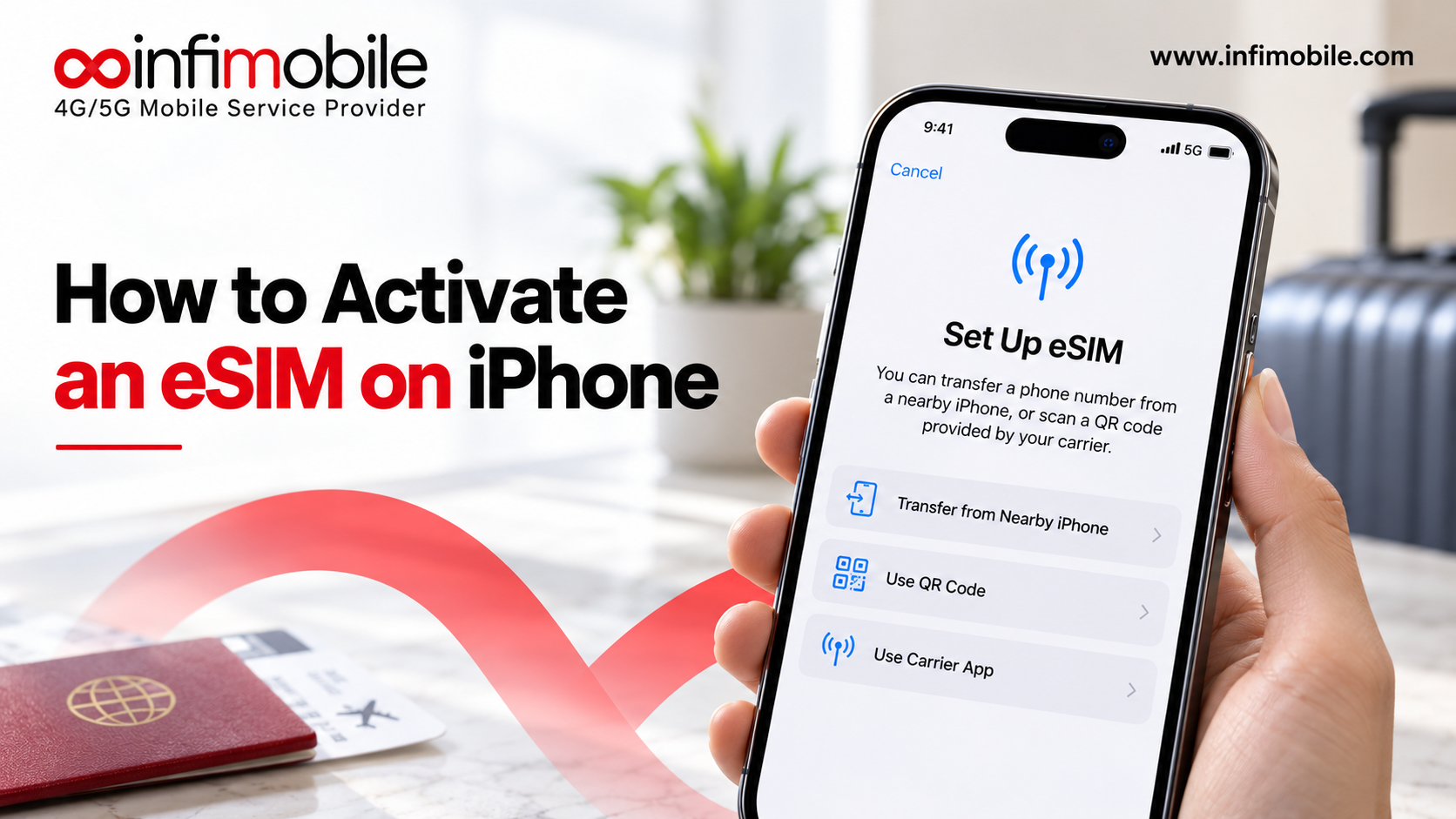
- “What if I need help setting things up?” Digital-first providers generally offer step-by-step sign-up guidance through their website or app, though in-person help isn’t typically available.
- “Am I locked into a contract?” Prepaid plans are generally term-based rather than contract-based, meaning you choose how many months to pay for upfront without being locked into automatic renewals you didn’t agree to.
How to Choose a Cheap Senior Phone Plan: Step by Step
- Estimate monthly data usage based on calls, texts, browsing, and any video calling habits.
- Decide whether unlimited talk and text is a priority, since this matters more for seniors who call frequently.
- Compare the true monthly cost across term lengths rather than relying on the advertised price alone.
- Check network coverage in the areas where the phone will be used most, including any rural or travel locations.
- Confirm phone compatibility if bringing an existing device, since older phones may need to be checked against the new network.
- Consider a shorter initial term to test the service before committing to a longer, cheaper term.
- Ask about number porting to make sure an existing phone number can transfer over smoothly.
Infimobile’s Plans for Light and Moderate Senior Use
Infimobile offers several data tiers that can fit a senior’s typical usage pattern, from very light use to more moderate everyday use.
| Plan | 3mo | 12mo | Talk & Text |
| 500MB Deal Buster | $15 | $30 | 100 mins / 100 SMS |
| 5GB Pro Plus | $45 | $75 | 2,500 mins / 2,500 SMS |
| 10GB Unlimited | $63 | $75 | Unlimited nationwide |
For someone who mostly makes calls and sends texts with occasional light browsing, the 500MB Deal Buster or 5GB Pro Plus plans offer a low-cost option without paying for unused data. For seniors who want unlimited talk and text along with more data for video calls, navigation, or light streaming, the 10GB Unlimited plan adds that flexibility at a similarly affordable 12-month rate.
Infimobile also offers a Family Plan starting at $4.10 per month per line, with the per-line cost decreasing as more lines are added. This can work well for households where an adult child is managing phone service for a parent, or for multiple family members on one account.
Plans generally include:
- eSIM or physical SIM (3-in-1 kit)
- Choice of Verizon or T-Mobile network at signup
- WiFi calling and texting
- Hotspot available as an add-on
- No activation fees and no long-term contract requirement beyond the chosen term
It’s worth noting that Infimobile is a digital-first provider, meaning signup, account management, and support are handled online or through chat rather than in physical retail stores. Anyone who strongly prefers in-person support should factor that into their decision.
Things to Watch For
- Minute and message caps on entry-level plans. Lower-cost plans may cap talk and text rather than offering unlimited service.
- Deprioritization during busy periods. Like most MVNOs, service can be deprioritized behind the host network’s postpaid customers during network congestion.
- Reduced speeds after the data cap. Once the high-speed data allowance is used, speeds typically slow down rather than stopping completely.
- Support is app- and chat-based. There’s no physical store to visit for account help or troubleshooting.
- Upfront payment for longer terms. Multi-month plans require a larger payment at signup in exchange for a lower monthly rate.
Frequently Asked Questions
For someone who primarily uses calls and texts with light browsing, 500MB to 5GB per month is usually sufficient. A 5GB plan adds extra room for occasional video calls or navigation app use.
Even light users generally benefit from having some data, since many everyday tasks like maps, weather, and messaging apps rely on it. A small data allowance in the 500MB to 5GB range is usually enough if a phone connects to Wi-Fi at home.
Prepaid plans can be straightforward to manage since there are no long-term contracts or financing agreements, but account setup and support are typically handled through an app or chat rather than in person, which is worth considering based on comfort with technology.
In most cases, yes. Phone numbers can generally be ported over to a new provider during the sign-up process, though it’s worth confirming this directly with the new carrier before switching.
Most prepaid providers allow switching to a different data tier for a future term, so it’s possible to move up to a larger plan like 10GB if usage increases over time.
Final Thoughts
Finding a cheap phone plan for a senior comes down to matching data allowance and features to actual usage rather than paying for a plan built for heavy streaming or gaming. For most seniors, a light to moderate data plan with unlimited or generous talk and text, combined with prepaid, no-contract billing, offers the best balance of cost and reliability. Infimobile’s range of data tiers, from the 500MB Deal Buster up to the 10GB Unlimited plan, along with its per-line discounted Family Plan, gives seniors and their families a range of affordable options to choose from. You can review current pricing and plan details at infimobile.com/plans.