Choosing between prepaid vs. postpaid phone plans comes down to one question: do you want to pay before you use your service or after? In short, prepaid works best for people who want a fixed cost, no contract, and the freedom to leave whenever they like. Postpaid works best for people who want to finance a new phone or value extras bundled into the bill. Neither is better for everyone.
This guide explains how prepaid and postpaid plans differ in cost, contracts, credit checks, phones, and flexibility. You will also find a simple way to decide, steps for switching without losing your number, and a look at where Infimobile prepaid plans fit.
What Is a Prepaid Phone Plan?
A prepaid phone plan is cell service you pay for before you use it. You pick a plan, pay for a set period, and receive the data, talk, and text included for that time. When the period ends, you renew, or the service stops.
Most prepaid plans share a few traits:
- No long-term contract: You are not locked in for 24 or 36 months, so you can change plans or providers when your needs change.
- Usually no credit check: Sign-up typically depends on choosing a plan and paying for it, not on your credit history. Policies vary by provider.
- A known cost: You see the price before you pay, so there are fewer surprises on a bill.
- Bring your own phone: Many prepaid providers work best when you already own a compatible, unlocked phone or buy one outright.
Many prepaid brands are MVNOs, short for mobile virtual network operators. An MVNO is a carrier that offers service over another company’s network instead of building its own towers. That is how prepaid providers keep prices low while still offering nationwide service.
What Is a Postpaid Phone Plan?
A postpaid phone plan bills you after you use the service, usually once a month. The bill covers the plan price plus taxes, fees, and any device payments.
Typical postpaid traits include:
- Monthly billing: You pay at the end of each billing cycle, and the total can change if you add features or incur extra charges.
- A credit check: Most large carriers review your credit before approving a new line. The result can affect whether you need a deposit or qualify for device financing.
- Device installment plans: You can spread the cost of a new phone over 24 or 36 months, often with bill credits that depend on staying on the plan.
- Bundled perks: Some plans include streaming subscriptions, international features, or other extras.
- Costs for leaving early: If you leave before the phone is paid off, the remaining balance usually comes due and promotional credits may stop.
Postpaid is often called a contract plan. Many carriers now use device installment agreements instead of traditional service contracts, but the effect is similar: leaving early can cost money.
Prepaid vs. Postpaid at a Glance
| Feature | Prepaid | Postpaid |
| Payment timing | Before you use service | After you use service |
| Credit check | Usually not required | Commonly required |
| Contract | Typically none | Often tied to device financing or promotions |
| Phone purchase | Buy outright or bring your own | Often financed over time |
| Monthly bill | Known upfront | Can change with taxes, fees, and add-ons |
| Switching providers | Simple, nothing owed on service | May owe a remaining phone balance |
| Extras | Fewer bundled perks | More bundled perks on some plans |
Treat this table as a general guide. Each provider sets its own rules, so read the terms before you sign up.
How the Costs Compare
Monthly Price
Prepaid plans often cost less per month for a similar amount of data. Many prepaid providers do not build a financed phone, premium perks, or retail store costs into the price. Postpaid plans can look competitive when you add several lines or catch a promotion, but the advertised price is not always the final one.
Fees and Hidden Costs
Before you compare plans, look for these:
- Activation or connection fees: Some postpaid carriers charge them. Many prepaid providers do not, though this differs by company.
- Taxes and surcharges: These can raise the real monthly cost on any plan. Check whether the listed price includes them.
- Autopay or paperless requirements: Some advertised postpaid prices apply only if you enroll in autopay.
- Promotional pricing: A low first-year price may rise later.
The Long-Term Math
Instead of comparing monthly prices, compare the total cost over 12 or 24 months. Add the plan price, taxes and fees, and the cost of the phone. A prepaid plan paired with a phone you already own often comes out ahead. A financed flagship phone on a postpaid plan can make sense if the bill credits are large and you are sure you will stay for the full term.
Contracts, Credit Checks, and Flexibility
Flexibility is where the two plan types feel most different day to day.
With prepaid, you can leave when your term ends. If a better deal appears, or your usage changes, you can move without paying a penalty on the service. People with limited or damaged credit also tend to find prepaid easier to start, since approval usually does not rely on a credit review.
With postpaid, the commitment is usually tied to your phone. A financed device means a remaining balance if you leave early. A credit check also means you can be asked for a deposit or turned down for financing, even if you only wanted a basic plan.
That does not make postpaid a bad choice. A commitment can be a fair trade when you get a discounted phone in return. It simply helps to know what you are agreeing to before you sign.
Phones and Devices: Financing vs. Bringing Your Own
Your phone often decides this question more than the plan does.
If You Want a New Phone Without a Big Upfront Payment
Postpaid installment plans are built for this. You pay a smaller amount each month instead of the full price at once. The trade-off is that you stay with that carrier until the phone is paid off if you want to keep any credits.
If You Already Have a Phone
Prepaid is usually the better match. You keep your phone, pick a plan, and skip the device payment entirely. Before you switch, make sure the phone will work:
- Find your IMEI. Dial *#06# on your phone to see its unique device number.
- Confirm it is unlocked. Check your phone’s settings or ask your current carrier. A locked phone will not accept another provider’s service.
- Check compatibility. Enter the IMEI on the new provider’s compatibility checker.
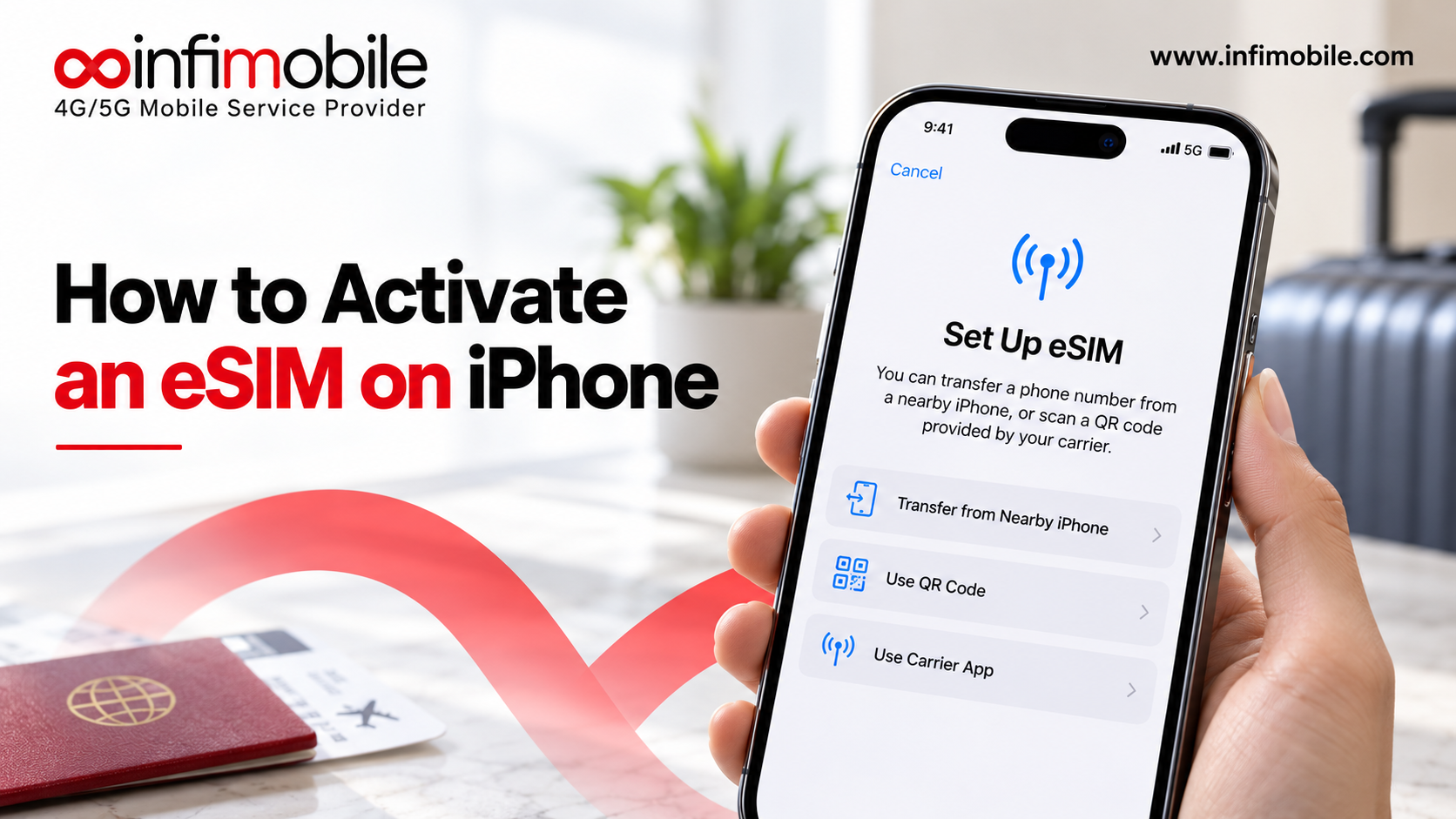
- Check eSIM support if needed. Many newer phones support eSIM, which lets you activate service without a physical card.
Data, Speeds, and Coverage
Many people assume prepaid means weaker coverage. In reality, coverage depends on the network behind the plan, not on whether you pay before or after. Prepaid MVNOs and postpaid carriers can run on the same underlying networks.
A few details are still worth checking:
- Network priority: Some providers may slow speeds for certain customers when a network is busy. Ask how a plan handles this.
- Coverage where you live and travel: Use the provider’s coverage map and search your home, work, and common routes.
- Hotspot rules: If you share data with a laptop or tablet, confirm whether hotspot use is included.
- International features: If you travel often, compare what each plan offers before you pick one.
Never choose a plan on price alone if it does not work in your daily locations.
Who Should Choose Prepaid?
Prepaid is usually a good match if you:
- Want a predictable bill and prefer paying upfront.
- Already own an unlocked phone or plan to buy one outright.
- Dislike contracts or want to keep your options open.
- Have limited or no credit history and want to avoid a credit check.
- Need a second line, a backup phone, or a phone for a child or older relative.
- Use a moderate amount of data and do not need premium extras.
Who Should Choose Postpaid?
Postpaid is usually a good match if you:
- Want the newest phone with the cost spread over monthly payments.
- Have good credit and can qualify for the best device offers.
- Value bundled perks such as streaming subscriptions.
- Prefer one monthly bill that covers your plan and your phone.
- Plan to stay with one carrier for the full financing term.
How to Decide: A Simple 5-Step Check
- Look at your phone. If you own it outright and it is unlocked, prepaid is an easy fit. If you want to upgrade soon, price out both options.
- Be honest about commitment. Ask yourself whether you will want the same carrier for the next two or three years.
- Check your real usage. Review your phone’s data usage screen for the past few months. Many people pay for far more data than they use.
- Compare 12-month totals. Include taxes, fees, and device costs, not just the monthly price.
- Test coverage. Search your home, work, and regular travel areas on the provider’s map.
If you land on prepaid after these steps, you can usually start with a shorter term and change later at little risk.
How to Switch Between Plans and Keep Your Number
Moving from postpaid to prepaid, or the other way around, is easier than most people expect. Your number can usually come with you through a number transfer, also called porting.
- Check what you owe. Ask your current carrier about any remaining phone balance or early termination charges.
- Confirm your phone is unlocked. If it is not, ask the carrier what is required to unlock it.
- Get your account details. Request your account number and transfer PIN from your current provider.
- Choose your new plan. Order your SIM or set up an eSIM with the new provider.
- Request the number transfer. Give the new provider your account number and PIN when you activate.
- Keep the old service active until the transfer finishes. Cancelling too early can cost you the number.
Where Infimobile Prepaid Plans Fit
Infimobile is a U.S.-based prepaid wireless provider built around simple, no-contract plans. You pay upfront for the term you choose, which suits the predictable-cost approach described above. Plans range from light-use options to larger data and unlimited choices, with term lengths from 3 months to 36 months on most plans.
Here are the 12-month prices at the time of writing:
| Plan | Data | 12-Month Price |
| Deal Buster | 500MB | $30 |
| Pro Plus | 5GB | $75 |
| Unlimited | 10GB | $75 |
| 12GB Plan | 12GB | $90 |
| Premium | 20GB | $120 |
| Promotional | 15GB | $108 |
| Freedom Unlimited | Unlimited | $150 |
A few details help when you compare:
- Deal Buster includes 100 minutes and 100 texts, which suits very light use.
- Pro Plus includes 2,500 minutes and 2,500 texts.
- The 10GB Unlimited plan includes unlimited nationwide talk and text.
- The Family Plan starts at $4.1 per month per line, and the per-line cost goes down as you add more lines.
Infimobile also runs limited-time offers, and promotional pricing is subject to device compatibility verification, so final pricing may vary. Check the plans page for current prices before you decide.
Frequently Asked Questions
Service does not continue on its own unless you renew. With Infimobile, you choose a term when you sign up, and longer terms mean fewer renewals to keep track of. Set a reminder a few days before your term ends so your line does not lapse.
Sometimes, but it depends on your carrier’s unlocking rules. Many carriers keep a phone locked until the balance is paid or other conditions are met. Ask for the remaining balance and the unlock requirements in writing before you make the move.
It can be. Infimobile’s Family Plan starts at $4.1 per month per line, and the per-line cost decreases as you add lines. Postpaid multi-line pricing varies by carrier, so compare the total for your whole household, including any phone payments and fees.
Yes, for many people. A second line does not need premium extras, and a light plan keeps the cost low. If the line is for emergencies or basic calls, a smaller plan may be enough, but check the talk and text limits first.
Not automatically, because coverage depends on the network a provider uses and the area you are in. Check the provider’s coverage map for your home, work, and travel routes before you buy.
Final Thoughts
The right answer in the prepaid vs. postpaid debate depends on your phone, your budget, and how much commitment you want. Postpaid can reward you with financed devices and extras if you plan to stay put. Prepaid gives you a clear price, no contract, and the freedom to change course. For many people who already own a phone, that flexibility is the bigger win.
Compare your real usage, add up the full 12-month cost, and check coverage where you spend your time. When you are ready to see what a no-contract plan looks like, visit the Infimobile plans page to compare options and pick the term that fits.