The cheapest MVNO in the USA depends on how much data you need and how much you’re willing to pay for it, since pricing varies widely based on data tier, contract length, and ongoing promotions. As a general rule, MVNOs that let you prepay for multiple months at once, like Infimobile, tend to offer the lowest effective monthly cost, sometimes bringing basic plans down to just a few dollars a month. There isn’t one single “cheapest” MVNO for everyone, because the right answer depends on your specific data needs and how you use your phone.
This guide explains what an MVNO actually is, why they’re cheaper than major carriers, what to compare when hunting for the lowest price, and how to avoid the common mistakes people make when chasing the cheapest possible plan.
What Is an MVNO?
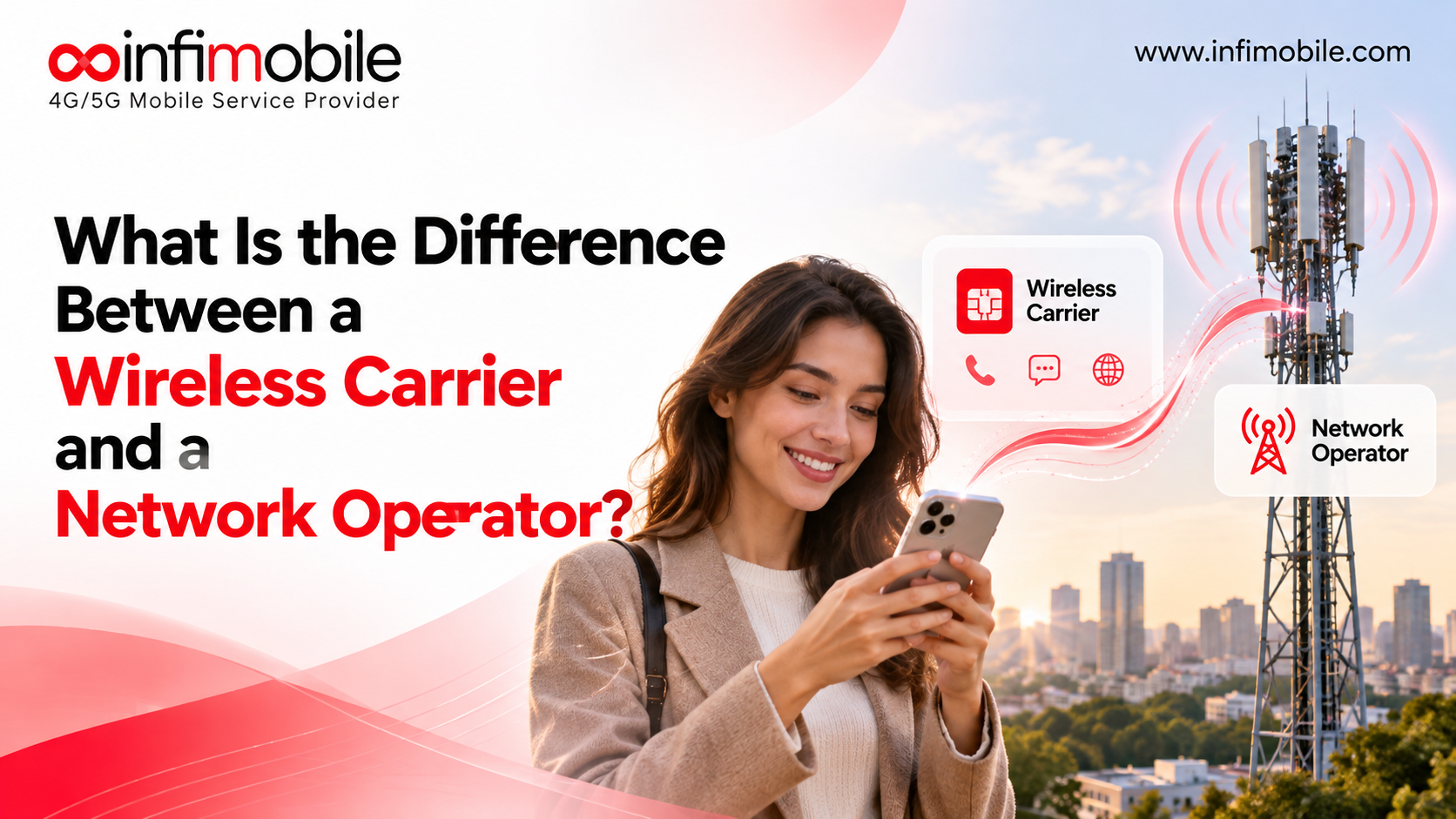
MVNO stands for Mobile Virtual Network Operator. These are wireless providers that don’t own or operate their own cell towers. Instead, they lease network access from one of the major carriers, such as Verizon, AT&T, or T-Mobile, and resell that network access under their own brand, often at a significantly lower price.
Because MVNOs don’t have the overhead of building and maintaining physical network infrastructure, they can operate with leaner cost structures. Many MVNOs also skip physical retail stores entirely, operating online or through apps instead, which cuts costs even further. Those savings are typically passed on to customers in the form of lower prices, prepaid billing options, and fewer required add-ons.
Why Are MVNOs Cheaper Than Major Carriers?
Several structural differences explain the price gap between MVNOs and the big three carriers:
- No network infrastructure costs. MVNOs pay a wholesale rate to use existing towers instead of building their own, which is one of the largest expenses in the wireless industry.
- Leaner operations. Many MVNOs run digital-only support and sign-up processes, cutting the cost of retail staff and physical locations.
- Prepaid billing. Paying upfront removes the carrier’s financial risk of nonpayment, which is often reflected in lower prices compared to postpaid billing.
- No device financing. MVNOs generally require you to bring your own compatible phone rather than financing a new device, which removes one of the biggest cost drivers in a typical postpaid bill.
- Simplified plan structures. Many MVNOs offer a handful of straightforward data tiers instead of a complex mix of add-ons, family discounts, and promotional credits that are hard to compare.
How to Evaluate Which MVNO Is Actually Cheapest
Because pricing structures differ so much between providers, it helps to compare MVNOs using the same criteria every time.
- Calculate the true monthly cost. Take the total price for the plan term and divide it by the number of months, rather than relying on the advertised monthly figure alone.
- Check what’s included in that price. Some MVNOs bundle unlimited talk and text, while others charge extra or cap minutes and messages.
- Confirm the host network. Ask which major carrier’s towers the MVNO uses, since this affects coverage quality in your area.
- Look at the data allowance you actually need. A slightly more expensive plan with more data can be cheaper overall than repeatedly running out and buying data add-ons.
- Review the fine print on speed after data caps. Some MVNOs stop data completely once you hit your limit, while others slow it down but keep you connected.
- Factor in SIM and activation fees. A plan that looks cheap upfront can end up costing more once you add mandatory SIM card or activation charges.
- Check for current promotions. MVNOs frequently run limited-time sales, so the “cheapest” option can shift from month to month.
Common Data Tiers and What They Typically Cost
MVNO pricing is usually organized around data tiers rather than one flat rate. Common tiers include very small allowances (around 500MB to 1GB) aimed at light users or backup phones, mid-range tiers (5GB to 10GB) built for average smartphone use, and larger tiers (15GB and up) for people who stream and browse heavily. As a general pattern across the MVNO market, smaller data tiers cost less per month but offer less flexibility, while larger tiers cost more but reduce the risk of running low on data before your next billing cycle.
Infimobile, for example, structures its plans this way, with data tiers ranging from a 500MB entry-level option up to larger 15GB, 20GB, and unlimited-style tiers, each priced differently depending on the term length you choose (3, 6, 12, 24, or 36 months).
Infimobile as an Example of a Low-Cost MVNO
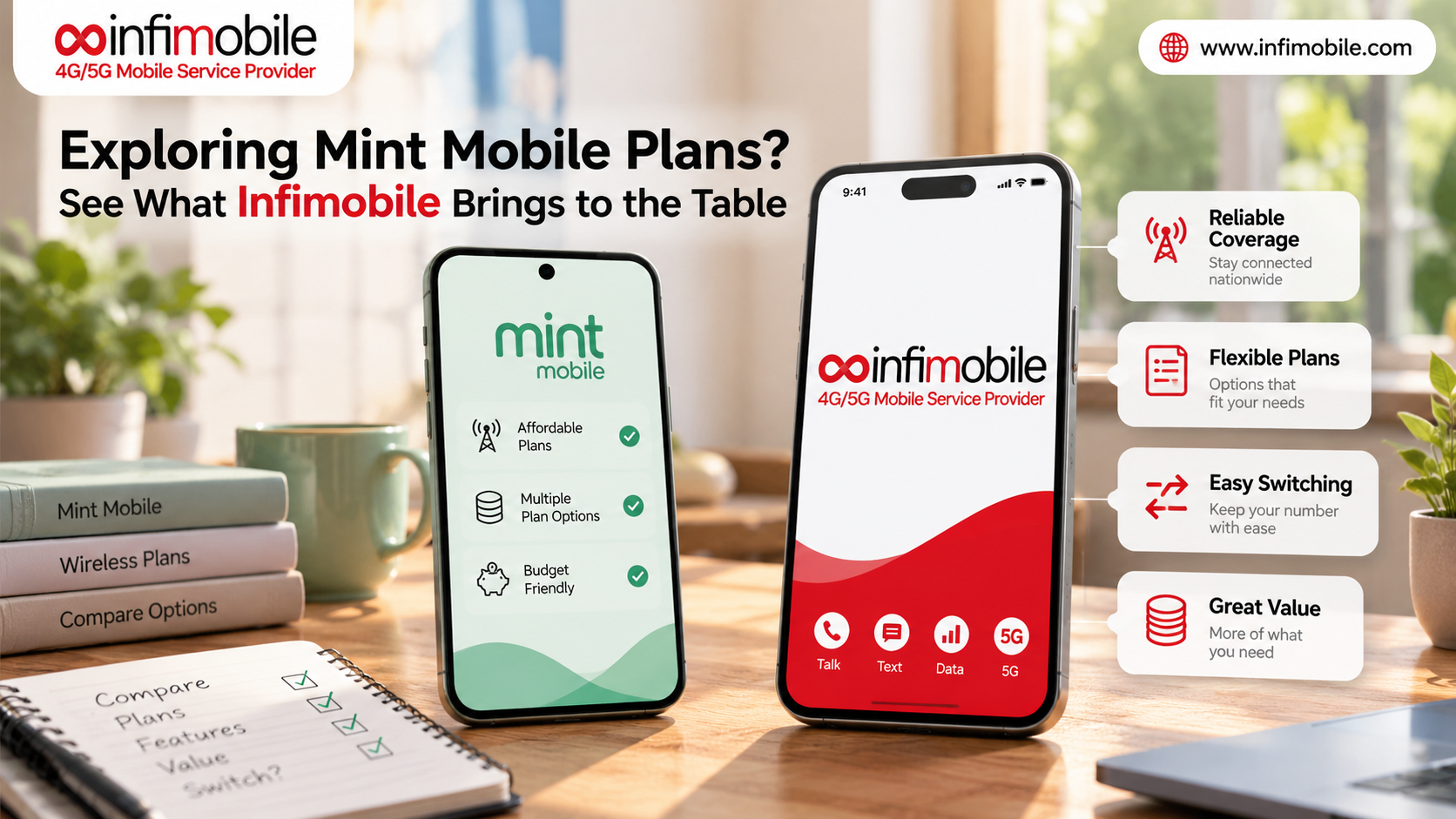
Infimobile is a digital-only MVNO that lets customers choose between Verizon and T-Mobile network access at signup. Its plan lineup includes multiple data tiers, each with pricing that decreases on a per-month basis the longer the term you select. A few examples from its current lineup:
| Plan | 3mo | 6mo | 12mo | 24mo | 36mo |
| 500MB Deal Buster | $15 | $30 | $30 | $60 | $90 |
| 5GB Pro Plus | $45 | $90 | $75 | $150 | $225 |
| 10GB Unlimited | $63 | $65 | $75 | $150 | $225 |
Infimobile also offers a Family Plan starting at $4.10 per month per line, where the per-line price decreases as more lines are added to the account, a structure that’s fairly unique among prepaid MVNOs.
Other included features across Infimobile’s plans typically cover:
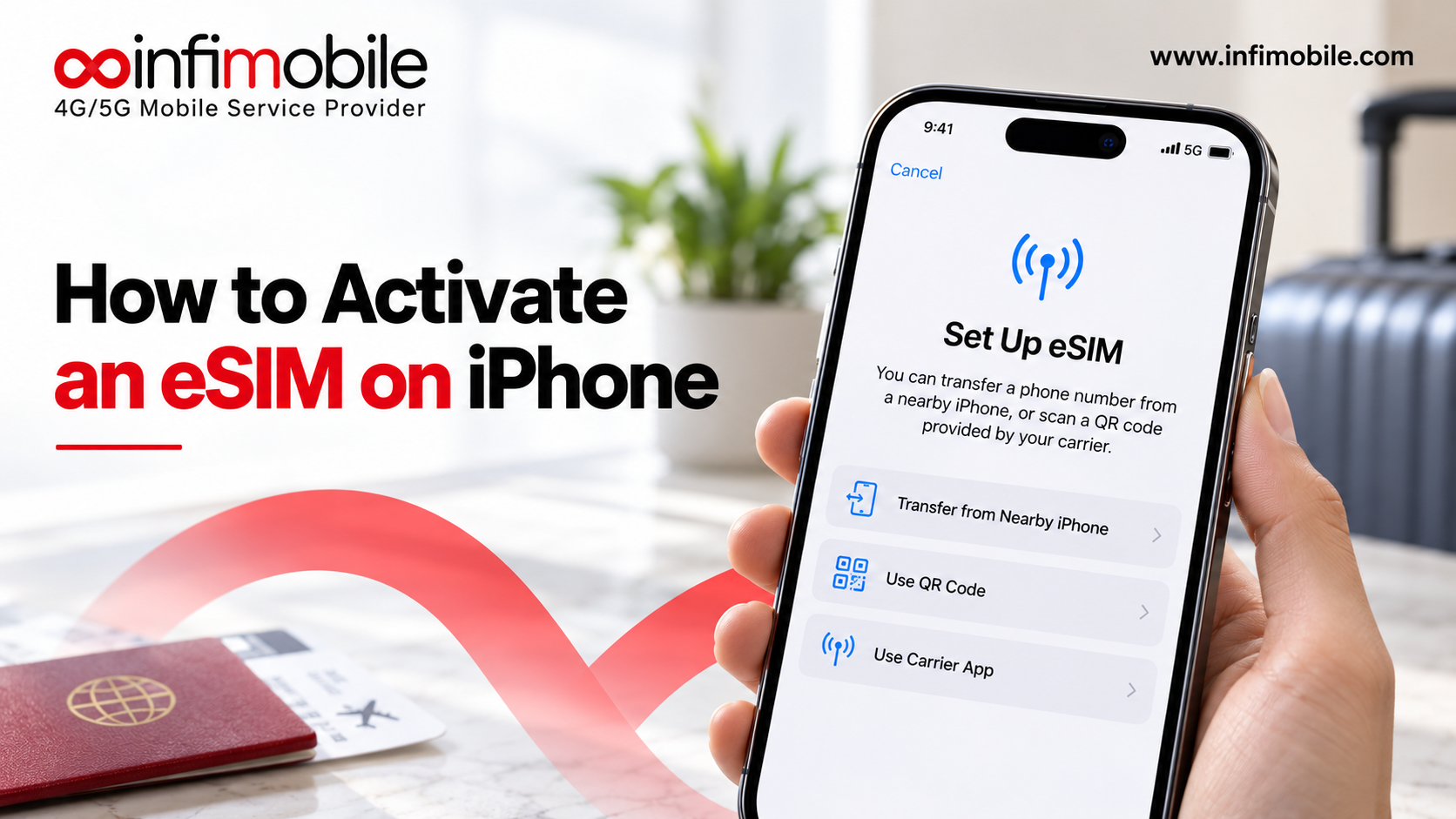
- eSIM or physical SIM (3-in-1 kit)
- WiFi calling and texting
- 500 MMS messages
- Hotspot available as a paid add-on
- No activation fees and no long-term contract requirement beyond your chosen term
Like most budget MVNOs, Infimobile’s traffic can be deprioritized during network congestion; speeds are typically reduced after you exceed your high-speed data allowance, and customer support is handled through chat rather than phone calls or physical stores.
Mistakes People Make When Chasing the Cheapest MVNO
Looking for the absolute lowest price can sometimes backfire if you’re not comparing plans carefully.
- Ignoring the true term cost. A plan billed at “$5/month” that requires a 36-month prepayment isn’t necessarily cheaper than a 12-month plan at a slightly higher monthly rate.
- Underestimating data needs. Choosing the smallest, cheapest tier only to repeatedly run out of high-speed data and need to pay for add-ons can cost more in the long run.
- Overlooking network quality. The cheapest plan on paper isn’t a good deal if the host network doesn’t have strong coverage where you live or work.
- Not checking device compatibility first. Some promotional prices only apply to compatible devices, and switching networks may require a new SIM or reactivation.
- Skipping the fine print on talk and text. Some ultra-cheap plans cap voice minutes and SMS, which can matter a lot if you rely on your phone for calls.
Frequently Asked Questions
Most MVNOs use the same towers as the major carrier they partner with, so coverage is often very similar. The main difference is that MVNO customers can be deprioritized during network congestion, which may result in occasional slower speeds in crowded areas.
Major carriers like Verizon, AT&T, and T-Mobile own and operate their own network infrastructure. MVNOs lease access to that same infrastructure and resell it under their own brand, usually at a lower price.
Not all, but many do. Prepaid billing is one of the main reasons MVNOs can offer lower prices, since it removes the financial risk associated with postpaid accounts.
In most cases, yes, as long as your phone is unlocked and compatible with the network the MVNO uses. It’s worth confirming device compatibility before signing up, since this can affect eligibility for certain promotional prices.
Pricing differences come down to the data tiers offered, contract length options, included features like talk and text, and how frequently a provider runs promotional pricing. Comparing the true monthly cost across the term length is the most accurate way to find the best value.
Final Thoughts
There’s no single MVNO that’s universally the cheapest, but the providers that consistently rank as low-cost options share a few traits: prepaid billing, multi-month term discounts, and simplified plans without hidden fees. Infimobile is one example of this model, with data tiers starting at just a few dollars a month and a Family Plan that gets cheaper per line as you add more lines. If you’re comparing MVNOs, calculate the true monthly cost across the full term, check network quality in your area, and make sure the data allowance actually matches how you use your phone. You can review current Infimobile pricing and plan details at infimobile.com/plans.