In today’s hyper-connected world, having a reliable phone plan tailored to your needs is essential. Whether you’re a student, a professional, or someone who simply values staying connected, selecting the right phone plan can make all the difference in your mobile experience.
At Infimobile, we understand the importance of finding the perfect fit for your individual lifestyle. In this article, we’ll walk you through the process of choosing the best phone plan for one person, ensuring that you stay connected without breaking the bank.
Why Phone Plans for One Person Require Different Considerations
Before exploring selection criteria, understanding why phone plans for one person differ from family or multi-line plans helps contextualize individual-specific factors.
Single-Line vs. Multi-Line Dynamics:
Cost Structure Differences:
Traditional wireless service providers structure pricing to incentivize multiple lines through economies of scale—the per-line cost decreases as you add lines. This creates a paradox where phone plans for one person often pay premium per-line rates compared to family plan members.
Example Traditional Carrier Pricing:
- Single line: $65/month ($780/year)
- Two lines: $110/month ($55 per line)
- Four lines: $140/month ($35 per line)
This pricing structure penalizes individuals requiring only phone plans for one person, charging them nearly double the per-line rate of four-line family plans despite using identical network infrastructure.
Individual Needs Optimization:
Unlike family plans requiring compromise to accommodate different usage patterns across multiple users, phone plans for one person can be precisely calibrated to your specific needs without worrying about:
- Sharing data pools with heavy users
- Coordinating upgrade schedules
- Managing multiple billing responsibilities
- Accommodating diverse international calling needs
This optimization opportunity means thoughtfully selected phone plans for one person deliver better value-per-dollar than compromised family plan participation.
Flexibility Advantages:
Phone plans for one person from prepaid cell carriers offer flexibility family plans can’t match:
- Switch carriers instantly without coordinating with others
- Upgrade or downgrade plans based solely on personal needs
- Travel internationally without affecting other lines
- Cancel service if circumstances change without disrupting others
Step 1: Assess Your Usage Patterns
The foundation of selecting optimal phone plans for one person involves honest, accurate assessment of actual usage rather than assumptions about needs.
Talk Time Evaluation:
Analyze Calling Habits:
Modern communication habits have shifted dramatically from traditional voice calls to app-based messaging and video calls. Evaluate your actual cellular voice usage:
Heavy Caller Profile (500+ minutes monthly):
- Frequent business calls
- Long personal conversations
- Limited access to WiFi calling
- Preference for voice over text
Moderate Caller Profile (200-500 minutes monthly):
- Occasional business coordination
- Regular family check-ins
- Some messaging app usage
- Balanced communication methods
Light Caller Profile (<200 minutes monthly):
- Primarily uses messaging apps (WhatsApp, iMessage, Telegram)
- WiFi calling when needed
- Minimal traditional cellular voice
- Text and data-focused communication
Why This Matters:
Many modern prepaid wireless plans include unlimited talk even at entry pricing tiers, making actual minute counting less critical than it was historically. However, if considering cheap phone plans USA with limited minutes, accurate assessment prevents unexpected overages.
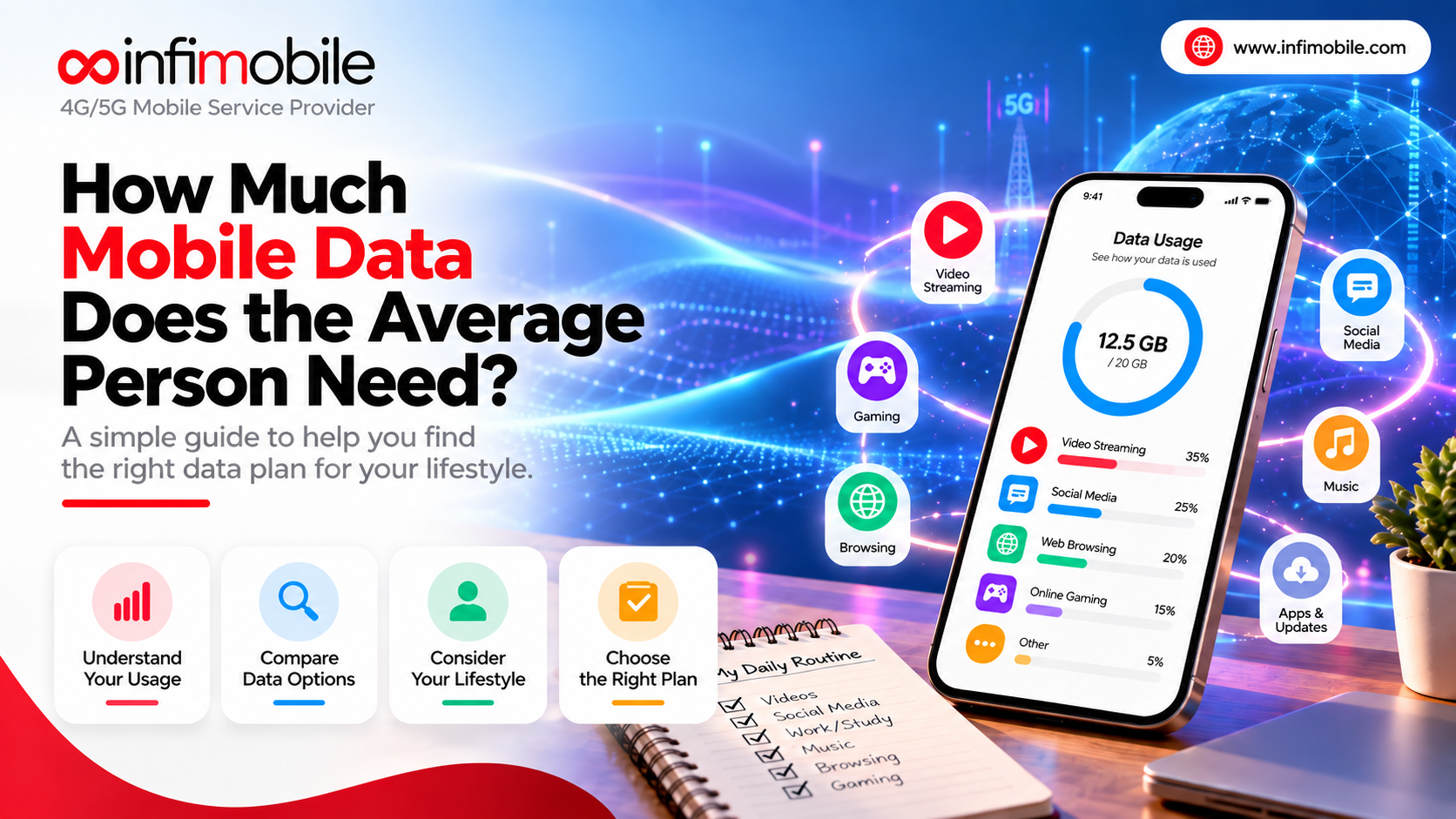
Data Usage Assessment:
Track Actual Monthly Consumption:
Data represents the most variable and often most expensive component of phone plans for one person. Accurate tracking prevents both overpaying for unused data and experiencing frustrating slowdowns from exceeding limits.
How to Check Current Usage:
iPhone Users:
- Settings > Cellular > scroll to Current Period
- Review total data and app-specific consumption
- Note: Reset statistics monthly to track accurate patterns
Android Users:
- Settings > Network & Internet > Data Usage
- Review monthly consumption patterns
- Identify high-consumption apps
Typical Usage Profiles:
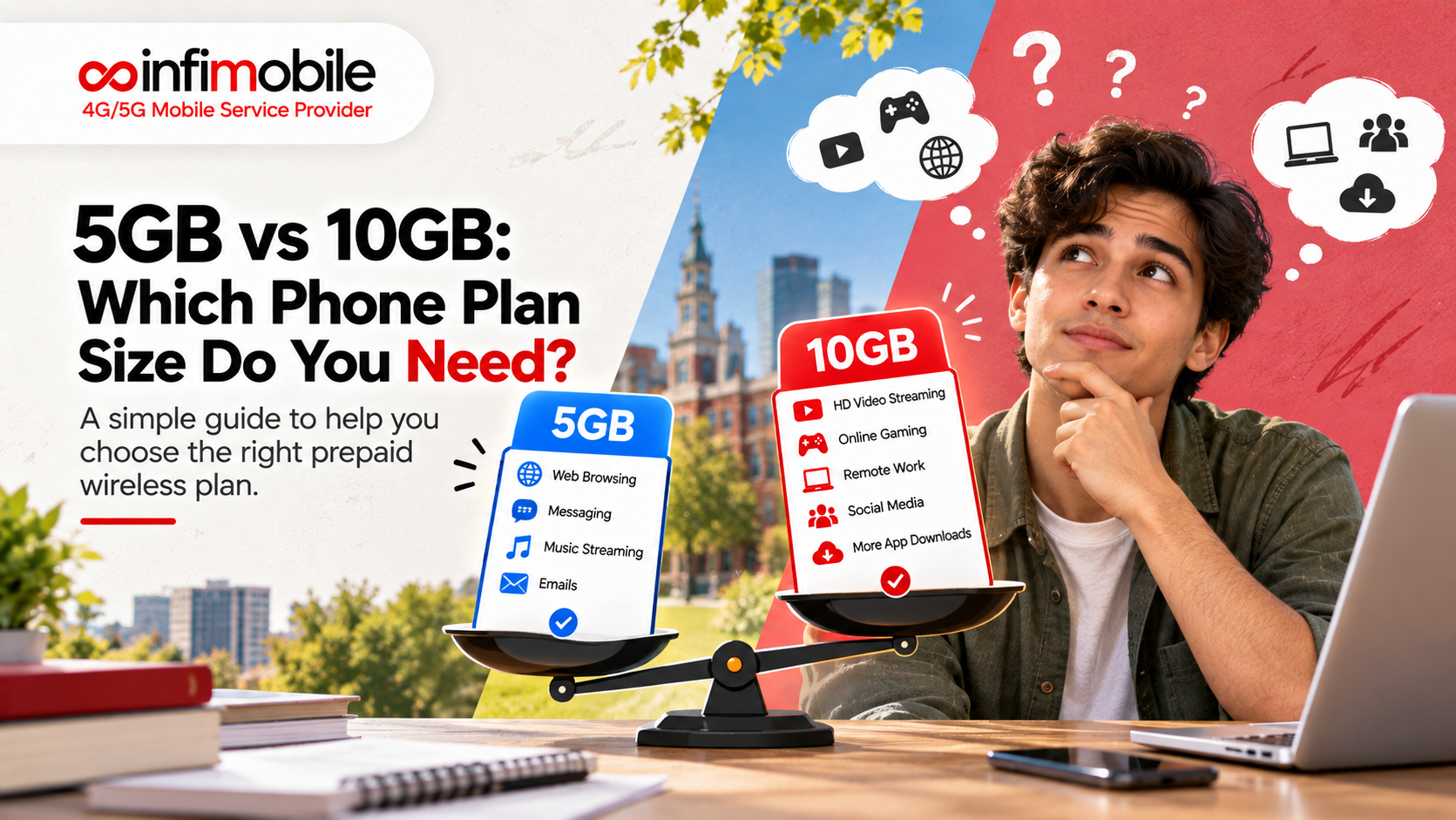
Light Data User (2-5GB monthly):
- Primarily on WiFi at home/work
- Cellular for maps, occasional browsing
- Download music/podcasts on WiFi
- Social media scrolling during commutes
- Recommended: Entry-tier budget phone plans (5GB)
Moderate Data User (5-15GB monthly):
- Regular social media throughout day
- Music streaming during commutes
- Video calls occasionally
- Map navigation frequently
- Moderate video streaming on cellular
- Recommended: Mid-tier plans (10-15GB)
Heavy Data User (15GB+ monthly):
- Frequent video streaming
- Mobile hotspot usage
- Limited WiFi access
- Gaming or large file downloads
- Recommended: High-data or unlimited plans
Critical Consideration:
Most Americans dramatically overestimate their data needs. Industry data shows:
- 60% of users consume <5GB monthly
- 80% of users consume <10GB monthly
- 90% of users consume <15GB monthly
This means phone plans for one person with right-sized allowances often provide better value than expensive unlimited plans primarily benefiting carriers, not users.
Messaging Needs Analysis:
Text Message Usage:
Traditional SMS/MMS usage has declined with messaging app proliferation:
Traditional Texter:
- Sends 100-500+ SMS monthly
- Prefers standard text messaging
- Communicates with users on various platforms
- May need unlimited texting
App-Based Messenger:
- Primary uses WhatsApp, iMessage, Facebook Messenger, Telegram
- Minimal SMS usage (mainly verification codes)
- International contacts using messaging apps
- Unlimited SMS less critical
Why This Matters:
Like unlimited talk, most cellular plans without contract include unlimited texting even at low price points. However, understanding your communication patterns helps you avoid paying premiums for “unlimited everything” when more modest allowances suffice.
International Communication Needs:
Domestic Only:
- All contacts in United States
- No international calling requirements
- Don’t need international features
Occasional International:
- Family/friends abroad
- Primary use: WhatsApp, Skype, FaceTime over WiFi or data
- Rare traditional international calls
- Strategy: Use messaging apps; occasional calling cards
Regular International:
- Frequent calls to specific countries
- Business international communication
- Traditional calling preferred over apps
- Strategy: Consider plans with international features or add-ons
For most phone plans for one person users, WiFi-based messaging apps provide superior international communication value compared to expensive traditional international calling plans.
Step 2: Compare Mobile Phone Plans and Providers
With usage patterns understood, systematic comparison of wireless service providers and their phone plans for one person offerings identifies optimal value.
Coverage Quality Verification:
Geographic Coverage Assessment:
The best mobile phone plans provide zero value if network coverage fails in locations where you actually use cellular service.
Priority Coverage Locations:
Home Coverage:
- Strong indoor signal strength
- Reliable data speeds
- Consistent voice quality
- 5G availability (if device supports)
Work Coverage:
- Building penetration quality
- Peak-hour performance
- Backup carrier consideration
Commute Routes:
- Highway/transit coverage
- Tunnel/subway service
- Consistent handoffs between towers
Frequent Destinations:
- Family/friend locations
- Shopping areas
- Entertainment venues
- Travel destinations
Assess Your Usage Patterns
The first step in selecting the ideal phone plan is to assess your usage patterns. Take some time to evaluate how you use your phone on a daily basis. Consider factors such as:
-
Talk Time: Do you find yourself making a lot of phone calls, or do you primarily communicate through text messages and social media?
-
Data Usage: How much data do you typically consume each month? Do you stream videos, listen to music, or browse the web extensively on your phone?
-
Messaging Needs: Are you a heavy texter, or do you rely more on messaging apps like WhatsApp or Messenger?
Understanding your usage patterns will help you narrow down your options and choose a plan that aligns with your needs.
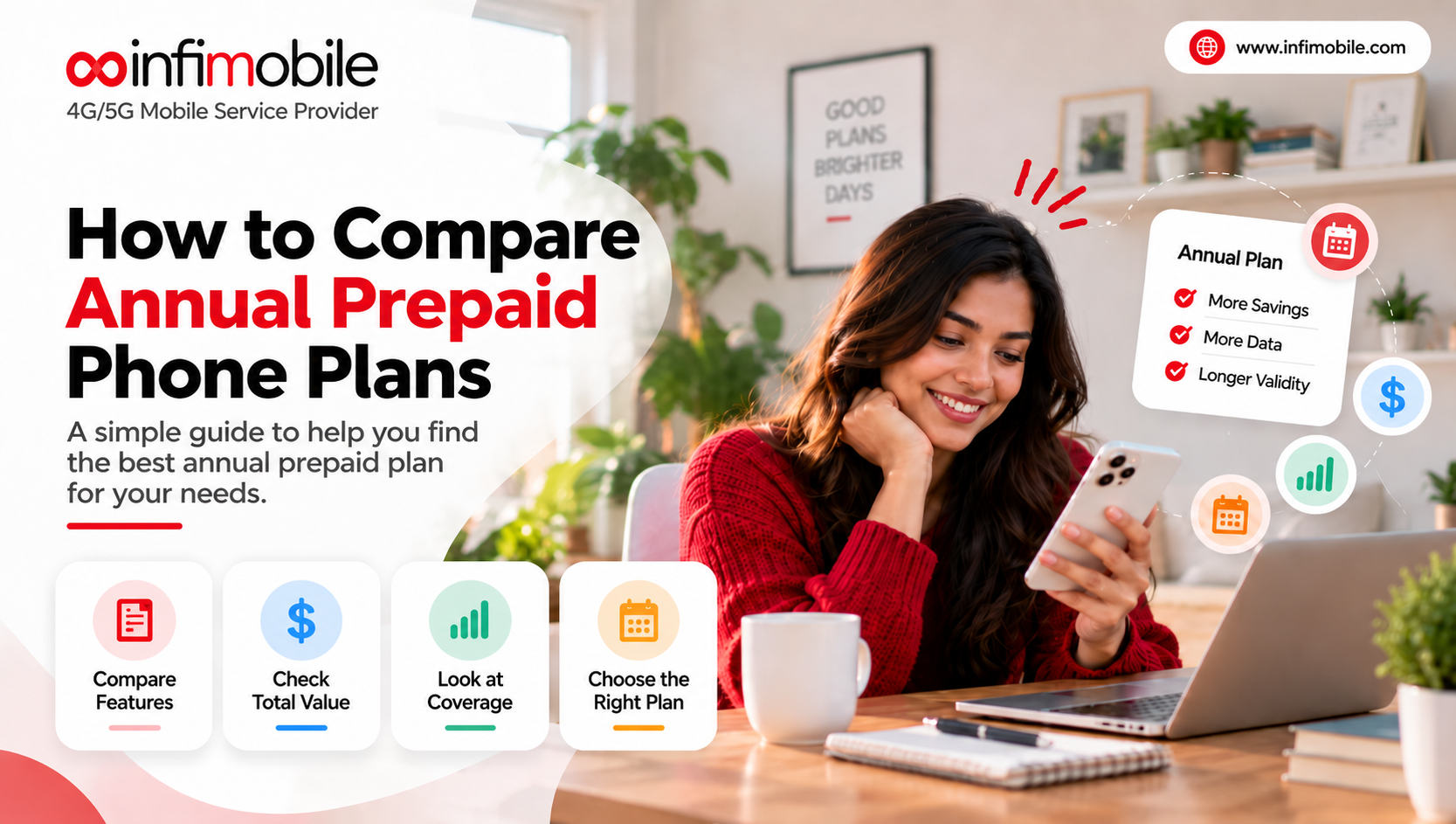
Compare Plans and Providers
Once you have a clear understanding of your usage patterns, it’s time to compare phone plans and providers. Consider factors such as:
-
Coverage: Check the coverage maps for different providers to ensure that you’ll have reliable service in the areas where you live, work, and travel frequently.
-
Plan Features: Look for plans that offer features tailored to your needs, such as unlimited talk and text, high-speed data, and international roaming options.
-
Cost: Compare the costs of different plans, taking into account monthly fees, activation fees, and any additional charges for exceeding data limits or making international calls.
By comparing plans and providers, you can find the best option that offers the features you need at a price that fits your budget.
Consider Contract vs. No-Contract Plans
Another factor to consider when choosing a phone plan is whether to opt for a contract or a no-contract plan. Contract plans typically require a commitment of one to two years and may offer subsidized phones in exchange for signing a contract. On the other hand, no-contract plans offer more flexibility and freedom, allowing you to switch providers or upgrade your phone without penalties.What sets Infi mobile apart is all our plans have no contracts. So, you have the flexibility & freedom to switch.
Evaluate your preferences and financial situation to determine whether a contract or no-contract plan is the right choice for you.
Take Advantage of Promotions and Discounts
Finally, be on the lookout for promotions and discounts offered by phone carriers. Many providers offer special deals for new customers, such as discounted monthly rates, free devices, or waived activation fees.
By taking advantage of these promotions and discounts, you can further maximize your savings while still enjoying the benefits of a reliable phone plan.
At Infimobile, we are giving all our plans ag 50% off – meaning you pay for a 3 month plan but enjoy its benefits for 6 months!
Conclusion
In conclusion, choosing the best phone plan for one person requires careful consideration of your usage patterns, comparison of plans and providers, evaluation of contract vs. no-contract options, and utilization of promotions and discounts. At Infimobile, we’re committed to helping you find the perfect phone plan that meets your individual needs and fits your budget. With our comprehensive range of plans and exceptional customer service, you can stay connected without compromise. If you have any questions or need assistance, don’t hesitate to reach out to us. We’re here to help you make the most of your mobile experience. At Infimobile, we are all about reliability & affordability.